




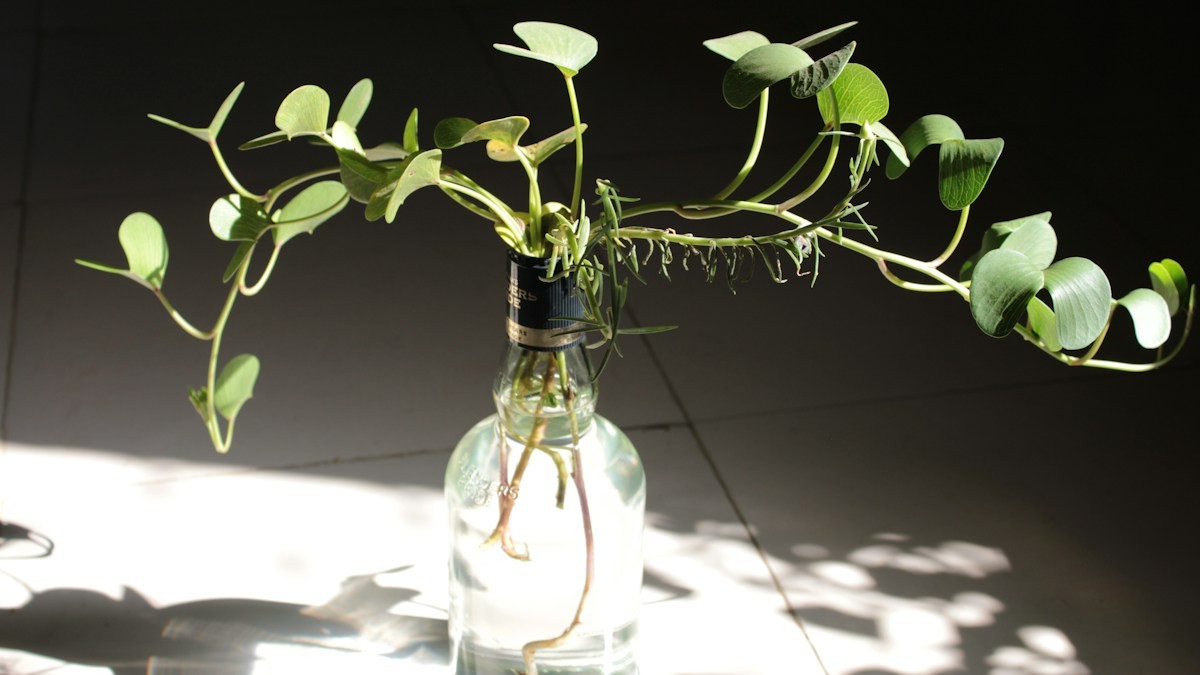
Tropical rainforests are defined by high atmospheric moisture: relative humidity in the Amazon basin or Southeast Asian jungles routinely hovers between 70% and 95%. Tropical understory plants—including prized Monsteras, velvet Anthuriums, Calatheas, and Maidenhair ferns—have evolved broad, thin leaf structures with expansive stomata optimized for these hyper-humid environments. In high humidity, transpiration remains balanced, allowing cells to stay turgid and supple.
Bring those exact same plants into a modern climate-controlled apartment during winter, and they enter a harsh desert. Indoor central heating and air conditioning strip ambient air of moisture, dropping relative humidity below 25%—drier than the Sahara Desert. In response, plant leaves lose moisture faster than roots can absorb it, leading to crispy brown leaf margins, curled leaf tips, failed new unfurls, and accelerated spider mite infestations.
In this comprehensive environmental engineering guide, we dissect the science of indoor microclimates. You will discover the physics of Vapor Pressure Deficit (VPD), the truth about pebble trays versus foliar misting, how to construct biological plant grouping domes, and how to calibrate ultrasonic humidification systems for effortless tropical lushness.
Vapor Pressure Deficit (VPD): The Physics of Plant Thirst
Relative humidity alone does not tell the full story; VPD dictates how fast moisture is sucked from leaves.
The Gradient of Evaporation
Vapor Pressure Deficit (VPD) is the difference between the moisture pressure inside the saturated leaf interior and the dry room air outside. When room air is dry (low RH) and warm, VPD spikes dramatically.
This high atmospheric deficit acts like an invisible vacuum cleaner, literally sucking water molecules out through open leaf stomata. When the rate of transpiration exceeds the root system’s ability to pump water upward, cell margins dehydrate and die, resulting in permanent crispy brown edges.
The Target Humidity Window
Most common tropical houseplants (Pothos, Snake plants, ZZ plants) are content with 40% to 50% relative humidity. However, sensitive high-humidity species—such as Anthurium clarinervium, Calathea orbifolia, and Philodendron verrucosum—demand a minimum of 60% to 75% RH to unfurl new leaves without tearing or developing brown necrotic edges.
Pebble Trays and Misting: Debunking Common Myths
Why popular internet advice often fails to produce measurable environmental changes.
The Limitations of Pebble Trays
The classic pebble tray involves filling a shallow tray with decorative gravel and water, setting the potted plant on top of the stones above the water line. As water evaporates, it rises around the pot. While theoretically sound, physical hygrometer testing reveals that a pebble tray elevates humidity by only 3% to 5%, and that moisture dissipates within 2 to 3 inches of the tray.
For a large 3-foot Monstera, a pebble tray provides almost zero humidity to upper leaves. However, for small tabletop terrariums or compact fittonias, it offers gentle localized benefit.
The Dangers of Hand Misting
Misting leaves with a spray bottle provides transient moisture that evaporates in minutes. Worse, in stagnant indoor air without breeze, droplets sitting on foliage provide the exact moist environment required for bacterial leaf spot (Pseudomonas) and fungal spores to germinate. Discard the spray bottle.
Biological Grouping and Ultrasonic Humidifiers
Two proven strategies that deliver measurable, sustained humidity increases.
The Biological Transpiration Dome
Plants are active humidifiers: roughly 97% of the water absorbed by roots is released back into the air through transpiration. By clustering 8 to 15 tropical plants together on a multi-tier stand or shelving unit, you capture this evaporating moisture.
The overlapping leaf canopies create a shared microclimate ‘dome’ that traps transpired water vapor, raising the localized relative humidity within the cluster by 10% to 18% higher than the surrounding room.
Ultrasonic Cool-Mist Humidifier Calibration
For large rooms or rare specimen plants, an ultrasonic cool-mist humidifier is the gold standard. Choose a unit with a built-in humidistat that automatically cycles on and off to maintain a constant 55% to 65% RH.
Position the unit on an elevated table 3 to 4 feet away from foliage, directing the mist upward into the room air rather than blasting directly onto leaf surfaces. Crucially, use distilled or reverse-osmosis water to prevent harmful mineral ‘white dust’ deposition.
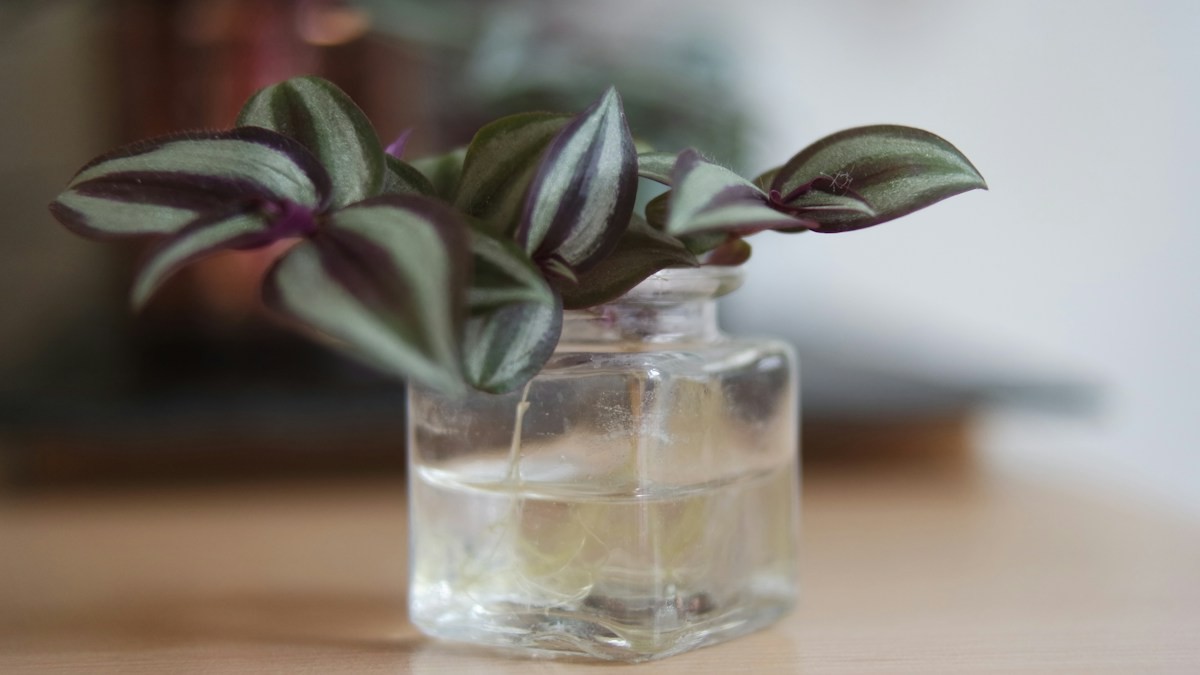
Humidity Generation Method Effectiveness Comparison
| Humidity Intervention | Localized RH Elevation | Duration of Effect | Labor & Maintenance | True Horticultural Effectiveness |
|---|---|---|---|---|
| Foliar Hand Misting | +5% RH directly around leaf | 5 to 10 Minutes (Evaporates) | High (Requires spraying 5x daily) | Ineffective; risks bacterial foliar blight |
| Traditional Pebble Tray | +3% to 8% RH within 2 inches of tray | Continuous while water remains | Medium (Refilling tray, cleaning algae) | Low to Moderate (Highly localized only) |
| Plant Grouping Clustered | +10% to 18% RH within plant canopy | Continuous (24/7 Transpiration dome) | Low (Simply arrange pots closely) | High (Natural biological synergy) |
| Ultrasonic Cool-Mist Unit | +20% to 40% RH across entire room | Continuous (Controlled by humidistat) | Medium (Weekly cleaning, distilled refills) | Maximum (Gold standard for rare tropicals) |
| Enclosed Glass Cabinet (IKEA) | +35% to 55% RH (80%+ total) | Continuous sealed greenhouse | Low (Occasional fan ventilation check) | Maximum (Best for Anthuriums & Calatheas) |
Recommended Further Reading & Authoritative References
To deepen your understanding of these systems, review our companion analysis on Houseplant Care 101 and Low-Light Indoor Plants. For official technical specifications and industry standards, consult the Royal Horticultural Society Atmospheric Humidity & Transpiration Control.
Seasonal Acclimation & Preventive Plant Healthcare
Ensuring lasting vitality when cultivating Humid Microclimate Indoors requires understanding seasonal metabolic shifts and adjusting ambient care routines accordingly. Indoor houseplants modulate their transpiration rates and nutrient uptake in direct response to changing daylight hours and indoor HVAC cycles.
During transitional seasons, carefully calibrate your watering frequency and inspect soil root zones for adequate drainage. Wipe foliage regularly with a damp microfiber cloth to remove domestic dust layers that obstruct photosynthetic stomata and reduce light absorption efficiency.
Establish a bi-weekly preventive inspection habit, examining the undersides of leaves and leaf axils for early signs of opportunistic pests like spider mites or scale. By identifying subtle foliage cues early and providing consistent, gentle care, your indoor greenery will maintain lush, robust growth year-round.
Comprehensive Horticultural Implementation & Long-Term Plant Maintenance Protocols
Maintaining these specialized botanical strategies successfully across multiple growing seasons requires continuous observation, attentive seasonal adaptation, and diligent substrate auditing. Experienced indoor horticulturists recognize that baseline recommendations for watering intervals, light levels, and fertilizer concentrations must be dynamically fine-tuned to suit the distinct microclimatic conditions, relative humidity fluctuations, and seasonal solar angle shifts within each unique domestic living space. By maintaining a disciplined, gentle approach to root zone aeration, pest scouting, and foliage hygiene, you establish an enduring urban indoor ecosystem that fosters robust cellular vigor, lush architectural leaf expansion, and resilient long-term health.
Furthermore, maintaining strict adherence to validated horticultural best practices safeguards tender root systems against the subtle onset of chronic physiological stress, anaerobic root rot, or mineral toxicity. Regularly verifying substrate drainage efficiency, monitoring ambient room humidity levels, and inspecting leaf undersides preserves your botanical collection against common domestic cultivation pitfalls. When you invest the care to understand and respect each plant species’ natural evolutionary biology, you cultivate an indoor botanical sanctuary that delivers years of vibrant visual splendor and restorative natural connection.
Frequently Asked Questions
Can high humidity cause mold to grow on my apartment drywall?
Maintaining indoor humidity between 50% and 60% with gentle air circulation is completely safe for drywall and furniture. Mold risks emerge only when humidity exceeds 70% in cold, unventilated rooms where water condenses on walls and window frames.
What is the best way to monitor humidity accurately?
Invest in a calibrated digital thermo-hygrometer (available for under $12). Place the sensor directly among your plant leaves at canopy height to get real-time readings of your microclimate.
Why does my humidifier leave a white powder on my plant leaves?
That white powder is calcium carbonate and mineral dust from hard municipal tap water. Ultrasonic diaphragms vibrate minerals into airborne nanoparticles. Switch immediately to distilled water, demineralized water, or a warm-mist evaporative humidifier.
Are IKEA greenhouse cabinets worth it for houseplants?
YES! Converting glass display cabinets (like IKEA Milsbo or Rudsta) into indoor greenhouses with weatherstripping, grow lights, and small fans creates a sealed 80%+ humidity paradise ideal for rare Anthuriums and delicate tropical cuttings.