




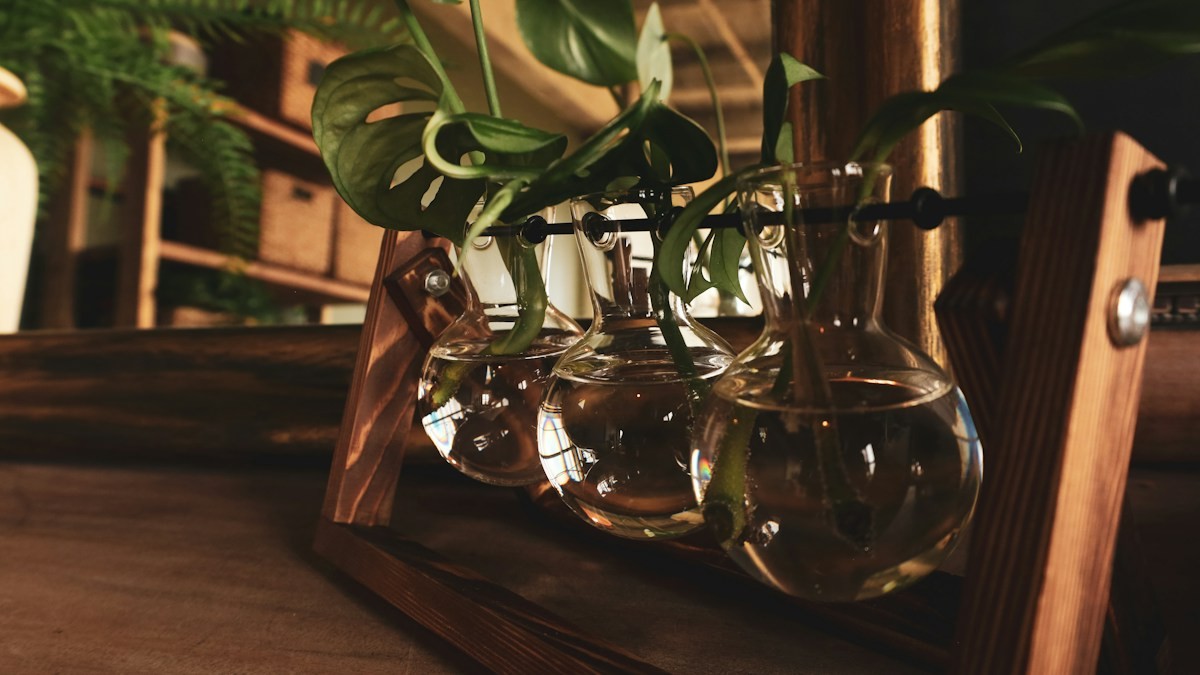
For indoor plant lovers across temperate climates, the transition from vibrant late summer into late autumn and winter is accompanied by a noticeable and often anxiety-inducing shift in their urban jungles. Magnificent tropical foliage that pushed out a fresh, glossy new leaf every ten days throughout June and July suddenly grinds to a complete halt. Leaf growth ceases, soil remains damp for weeks after a single watering, lower leaves turn pale yellow and drop, and delicate tropical specimens like *Ficus elastica*, *Calathea*, and *Monstera* appear tired, drooping, and vulnerable.
Panicked plant owners frequently misinterpret this seasonal slowdown as a sign of disease or nutrient deficiency. In a desperate bid to ‘help’ their lagging plants, well-meaning growers pour extra water, administer heavy doses of fertilizer, or shift pots directly against south-facing windows. Tragically, these well-intentioned interventions produce the exact opposite of the desired result: waterlogged, cold root balls rot in soggy darkness, high salt concentrations burn dormant feeder roots, and freezing windowpanes shock delicate cell membranes.
Navigating winter successfully requires understanding the profound changes in indoor environmental physics and plant chronobiology. This comprehensive botanical guide explores winter houseplant dormancy cold draft management. We analyze the photoperiodic collapse of indoor Daily Light Integral (DLI), demonstrate how to insulate plants against cold thermal bridging, explain the atmospheric physics of dry radiator heating, and provide a protective winter regimen that carries your collection safely into spring.
The Chronobiology of Winter Dormancy: Photosynthetic Slowdown
Why short days and low solar angles trigger an energy-saving state.
Photoperiod Reduction and Declining Solar Irradiance
During winter months in temperate zones, daylight length drops from 15+ hours down to 8 or 9 hours. More significantly, the sun’s low celestial trajectory means solar rays strike the Earth at a shallow angle, traveling through a much thicker slice of atmospheric ozone and cloud cover.
Inside an apartment, a window sill that delivered 2,000 lux of bright indirect light in June may receive less than 400 lux in December. Deprived of sufficient photons to drive light-dependent photosynthetic reactions, houseplants synthesize fewer carbohydrates, automatically triggering a protective state of semi-dormancy (quiescence).
The Hydraulic Water Consequence
Because photosynthesis slows to a crawl and ambient temperatures are lower, a houseplant’s transpiration rate drops precipitously. A large Monstera that consumed an entire gallon of water every four days during summer heat may require only one-quarter of that amount every two to three weeks in winter.
If a grower adheres to a rigid, calendar-based summer watering schedule, water accumulates in the lower substrate macropores, driving out atmospheric oxygen. Within two weeks of persistent waterlogging, anaerobic root rot bacteria destroy the dormant root system.
The Dual Winter Hazards: Cold Conduction vs Dry Radiator Heat
Navigating the extreme temperature and humidity gradients of indoor winter heating.
Cold Draft Conduction and Window Shock
While a living room thermostat may read a comfortable 70°F (21°C), the microclimate immediately adjacent to an exterior windowpane is drastically colder. Glass is a poor thermal insulator; during freezing winter nights, single-pane and even double-glazed windows conduct cold directly to nearby surfaces.
If a tropical plant’s leaves press against freezing glass, the water within cellular vacuoles can freeze, causing instant cellular rupture and black, necrotic leaf burn. Furthermore, cold drafts from leaky window frames or exterior doors chilling soil below 55°F (13°C) paralyze water absorption, causing roots to rot while leaves wilt from physiological drought.
Forced-Air Radiator Heat and Desert-Level Aridity
The second major winter threat is the indoor heating system. When cold outdoor air is drawn inside and heated by baseboard radiators or forced-air furnaces, its relative humidity (RH) plummets—often dropping to 15% to 25%, an aridity level drier than the Sahara Desert.
Tropical rainforest species like Calatheas, Ferns, and Philodendrons evolved in environments where relative humidity rarely drops below 70%. In parched winter heating air, moisture evaporates rapidly from leaf stomata faster than roots can replace it, causing crispy brown leaf tips, curling edges, and explosive spider mite infestations.
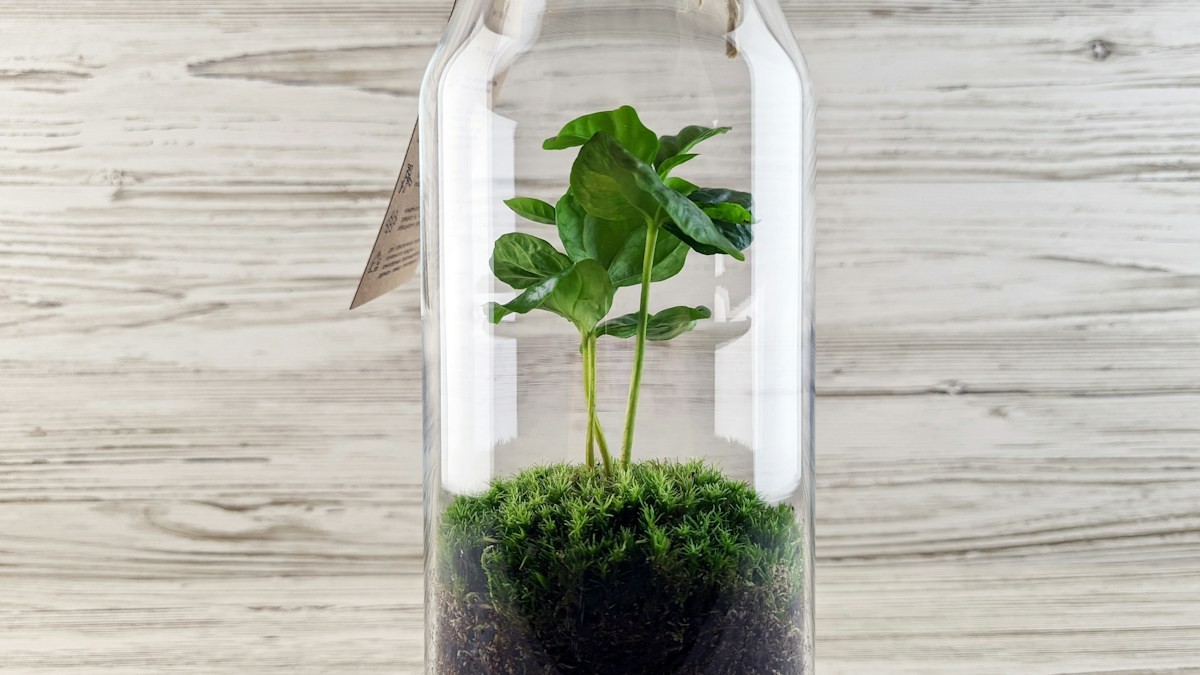
The 4 Pillars of Winter Houseplant Protection
Actionable environmental modifications for stress-free wintering.
Pillar 1: Adjusting Water and Halting Fertilizer
Always check soil moisture with a wooden dowel or your finger before adding water in winter; never water until the top 50% to 75% of the pot has dried out completely. Always use room-temperature water; icy tap water shocks root systems and triggers leaf drop in sensitive plants like *Ficus benjamina*.
Cease all chemical and organic fertilizing completely between late October and early March. Because dormant plants are not manufacturing new cellular tissue, fertilizer salts will not be absorbed; they will simply accumulate in the cold substrate, scorching root hairs.
Pillar 2: Relocating Away from Drafts and Creating Humidity Oases
Pull tropical plants 2 to 3 feet back from frosty windowpanes, and position them well away from forced-air heating registers and radiator convection currents. If window light is too weak further into the room, supplement with a full-spectrum LED grow light running for 10 to 12 hours daily.
Group your houseplants close together on large pebble trays filled with water (ensuring pot bottoms sit above the water level on the stones). As water naturally evaporates from the tray and foliage transpires, a collective tropical microclimate of 45% to 55% relative humidity is created around the plant cluster.
Seasonal Plant Care Comparison: Summer Peak vs Winter Dormancy
| Environmental & Care Factor | Summer Peak Season (May – August) | Winter Dormancy Season (Nov – February) |
|---|---|---|
| Daily Photoperiod & Lux | 14 to 16 hours (High intensity, 2,000+ lux) | 8 to 10 hours (Low celestial angle, < 500 lux) |
| Irrigation Frequency | Frequent (Every 4 to 7 days as soil dries) | Sparse (Every 14 to 25 days; check top 50% dry) |
| Fertilizer Regimen | Regular balanced feeding every 2 to 4 weeks | 100% Ceased (Zero fertilizer until spring) |
| Ambient Relative Humidity | Naturally high (50% to 75% RH) | Severely low indoors (15% to 25% dry radiator air) |
| Primary Pest Threats | Fungus gnats, thrips, aphids | Spider mites (Thrive in dry, warm indoor heat) |
| Repotting & Pruning | Ideal window for root pruning and repots | Avoid completely unless treating emergency rot |
Recommended Further Reading & Authoritative References
To deepen your practical mastery of these concepts, explore our comprehensive analyses on supplementing winter daylight with led grow lights and monitoring soil moisture during winter bottom watering. For official technical standards, peer-reviewed benchmarks, and industry guidelines, consult the Clemson University Cooperative Extension: Indoor Plants Winter Care.
Frequently Asked Questions
Should I repot my houseplants during the winter?
No! Unless a plant is actively dying from severe root rot and requires emergency surgical intervention, avoid repotting in winter. Dormant root systems heal slowly, making them highly vulnerable to transplant shock and rot.
Why are lower leaves turning yellow and dropping off in December?
Dropping a few older lower leaves in early winter is a natural response to declining light levels: the plant sheds low-efficiency leaves to conserve energy. However, if many leaves drop at once, check for overwatering or cold drafts.
Is misting leaves with a spray bottle effective for raising winter humidity?
Misting provides only a temporary spike in humidity that evaporates within 5 to 10 minutes. For lasting humidity improvements, use an ultrasonic room humidifier or group plants together over pebble trays.
When in spring should I resume regular watering and fertilizing?
In temperate regions, resume regular feeding in mid-to-late March as daylight hours noticeably lengthen and you spot fresh new green leaf buds expanding along stems and crowns.