




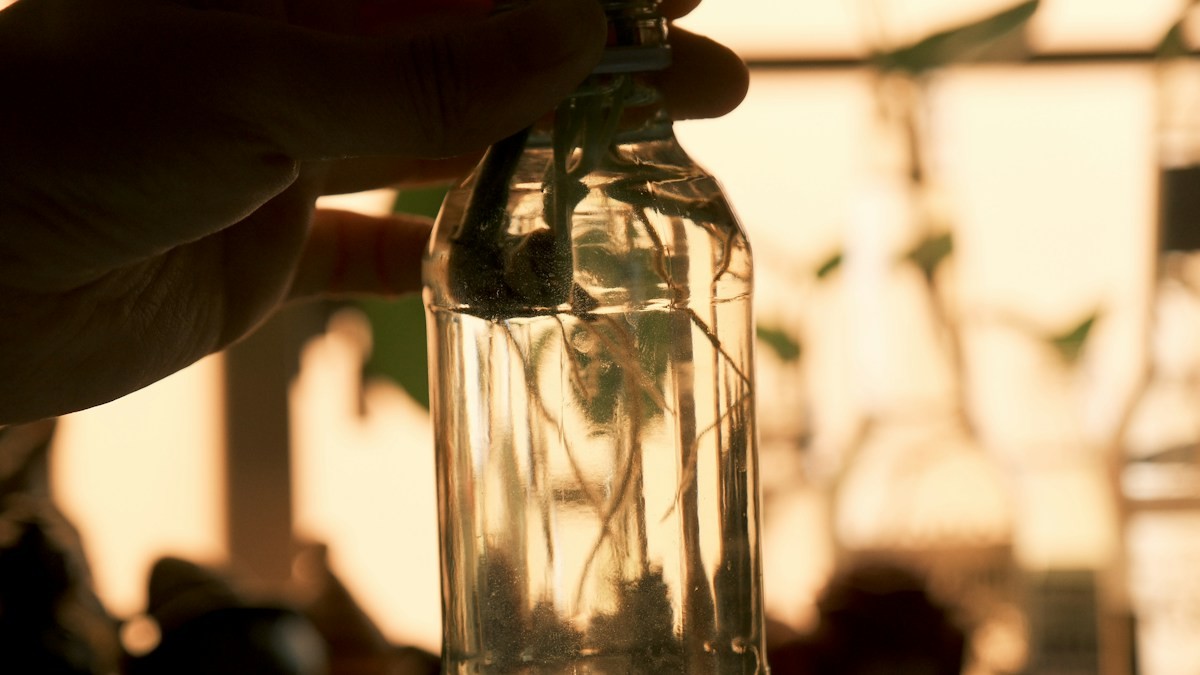
Bringing living houseplants into your home is one of the most rewarding ways to transform sterile indoor living spaces into tranquil, vibrant botanical sanctuaries. Research in environmental psychology consistently shows that surrounding yourself with living foliage reduces stress levels, sharpens focus, and brings grounding vitality to daily routines. Yet, for many beginners, the journey of indoor gardening is paved with frustration, yellowing leaves, drooping stems, and mysterious plant deaths.
The fundamental flaw that leads to plant demise is the search for a rigid ‘watering schedule’ or an automated routine. Nature does not operate on a calendar where plants drink on Tuesdays and Sundays. Indoor plant vitality is governed by a dynamic biological interplay known to master botanists as the Golden Triad: Soil Moisture Dynamics, Relative Ambient Humidity, and Photosynthetic Light Exposure.
In this foundational Houseplant Care 101 masterclass, we teach you how to decode your plants’ environmental signals. You will learn the mechanics of convective transpiration, moisture testing techniques that replace guesswork, humidity staging methods that prevent crispy brown leaf tips, and how to calibrate light positioning for lifelong botanical vitality.
Pillar 1: Demystifying ‘Bright Indirect Light’
Understanding what light terms actually mean in residential interior architecture.
The Shadow Test for Light Intensity
The phrase ‘bright indirect light’ is the most misunderstood term in all of gardening. To identify bright indirect light in your home, conduct the simple ‘Hand Shadow Test’ on a sunny afternoon. Hold your hand 12 inches above a piece of white paper placed where your plant sits.
If the shadow cast is crisp, sharp, and dark, you have Direct Sunlight (which can scorch tropical understory leaves). If the shadow is soft, fuzzy, and gently defined, you have true Bright Indirect Light. If the shadow is nearly invisible and blurry, you have Low Light.
Window Orientation and Seasonal Sun Angles
South-facing windows deliver the highest intensity light and heat all day long; position tropicals 3 to 5 feet back or hang sheer curtains to diffuse the sun. East-facing windows offer gentle, cool morning sun that tropical foliage loves.
West-facing windows provide hot, intense afternoon light that requires careful buffering. North-facing windows provide consistent, soft low-intensity light ideal for understory species like Snake Plants and Aglaonemas.
Pillar 2: The Science of Watering (Drench, Don’t Sip)
Why watering on a calendar kills plants, and how to execute proper soil saturation.
The Wooden Skewer Test
Discard rigid weekly watering schedules. Environmental factors—indoor heating, summer AC, humidity, and cloud cover—cause soil drying rates to fluctuate constantly. Invest in a 12-inch unvarnished bamboo cooking skewer.
Insert the skewer all the way to the bottom of the pot, leave it for 30 seconds, and withdraw it. Just like testing a baking cake: if the skewer emerges with dark, damp soil clinging to it, the root zone is still wet—do NOT water. If it emerges completely dry and clean, it is time for a thorough watering.
The ‘Full Drench and Drain’ Technique
Never give your plants ‘little sips’ of water every few days. Shallow sips encourage weak, shallow root growth at the surface while leaving bottom root zones desiccated, causing fertilizer salts to accumulate. Always water deeply until water flows freely from the bottom drainage holes.
Allow the pot to drain completely for 15 minutes in a sink or tray; never let a plant sit in a saucer of standing puddle water, which suffocates roots.
Pillar 3: Ambient Humidity and Microclimate Engineering
Why misting leaves does almost nothing, and how to establish real atmospheric moisture.
The Misting Myth
Spritzing plant leaves with a handheld spray bottle elevates relative humidity for roughly five minutes before the water evaporates. Furthermore, leaving sitting water droplets on leaves in still indoor air invites bacterial leaf spot and fungal blight.
To provide lasting humidity for sensitive tropicals (Monsteras, Calatheas, Ferns), invest in an ultrasonic cool-mist humidifier placed 3 to 4 feet from your plant collection, maintaining relative humidity at 50% to 65%.
The Plant Grouping Microclimate
Group your tropical plants closely together on shelves or plant stands. As plants transpire, they release moisture vapors through their leaf stomata. Grouping plants together creates a collective ‘transpiration dome’ that elevates localized relative humidity by 10% to 15% naturally.
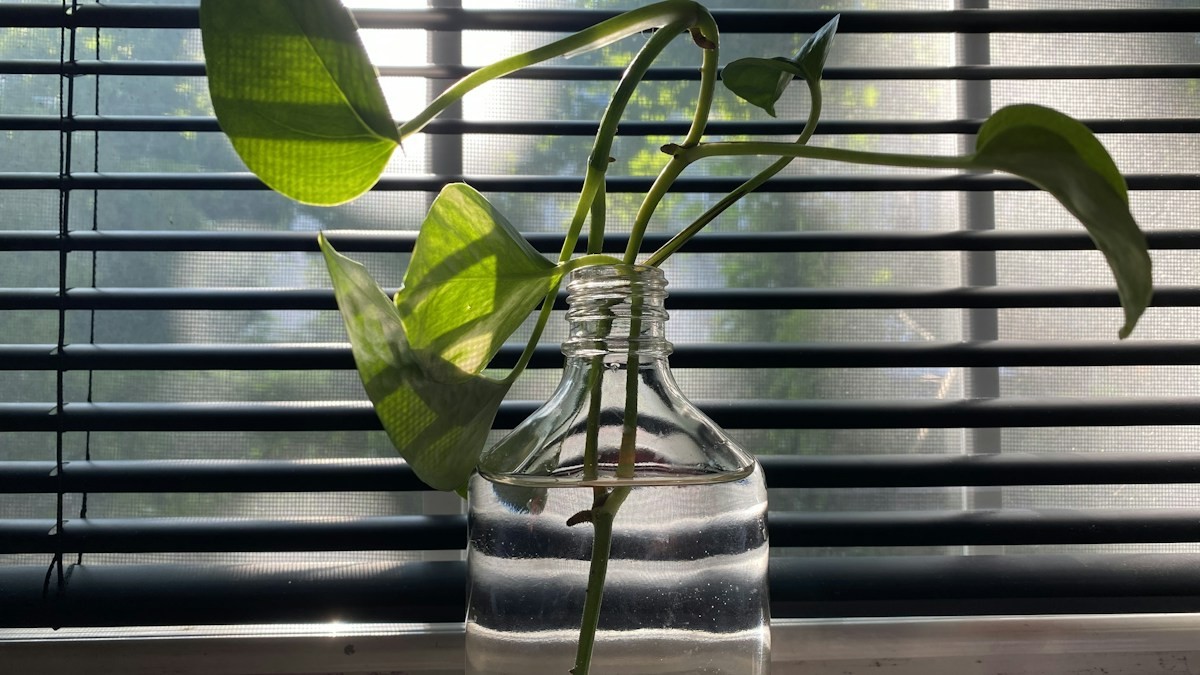
The Golden Triad: Species Care Requirements Matrix
| Houseplant Family | Target Soil Moisture Level | Relative Humidity Baseline | Light Exposure Window | Common Watering Error |
|---|---|---|---|---|
| Aroids (Monstera, Philodendron) | Top 50% dry before watering | 50% – 65% RH | Bright Indirect (200 – 400 fc) | Watering when topsoil is still damp |
| Succulents & Cacti (Echeveria, Jade) | 100% Bone dry throughout pot | 30% – 40% RH (Dry air) | Direct Sunlight (800+ fc) | Giving frequent shallow sips of water |
| Ferns (Boston, Maidenhair) | Consistently moist (Never soggy) | 65% – 80% RH (High moisture) | Medium Dappled Shade (75 – 150 fc) | Allowing root ball to dry out completely |
| Ficus (Fiddle Leaf, Rubber Tree) | Top 2-3 inches dry | 45% – 60% RH | High Bright Indirect (400 – 600 fc) | Moving pot frequently; draft exposure |
| Prayer Plants (Calathea, Maranta) | Evenly moist; filtered water only | 60% – 75% RH | Medium Indirect (100 – 200 fc) | Using chlorinated fluoridated tap water |
Recommended Further Reading & Authoritative References
To deepen your understanding of these systems, review our companion analysis on Low-Light Indoor Plants and Bottom Watering vs Top Watering. For official technical specifications and industry standards, consult the Royal Horticultural Society Fundamentals of Indoor Houseplant Maintenance.
Seasonal Acclimation & Preventive Plant Healthcare
Ensuring lasting vitality when cultivating Houseplant Care 101 requires understanding seasonal metabolic shifts and adjusting ambient care routines accordingly. Indoor houseplants modulate their transpiration rates and nutrient uptake in direct response to changing daylight hours and indoor HVAC cycles.
During transitional seasons, carefully calibrate your watering frequency and inspect soil root zones for adequate drainage. Wipe foliage regularly with a damp microfiber cloth to remove domestic dust layers that obstruct photosynthetic stomata and reduce light absorption efficiency.
Establish a bi-weekly preventive inspection habit, examining the undersides of leaves and leaf axils for early signs of opportunistic pests like spider mites or scale. By identifying subtle foliage cues early and providing consistent, gentle care, your indoor greenery will maintain lush, robust growth year-round.
Frequently Asked Questions
Can I use cold tap water to water my indoor plants?
Never use freezing cold tap water directly from the faucet. Cold water shocks tropical root systems, causing leaf drop. Fill your watering can and let it sit overnight to reach ambient room temperature (around 68°F – 72°F) before watering.
Why are the tips of my houseplant leaves turning brown and crispy?
Crispy brown tips are typically caused by one of three things: low ambient humidity (dry winter heating), allowing the soil to dry out too severely between waterings, or chlorine/fluoride sensitivity from municipal tap water.
How do I know when it’s time to repot my houseplant?
Signs that a plant is rootbound include: roots poking out of the bottom drainage holes, water running straight through the pot without being absorbed, the plant wilting 2 days after watering, or stunted growth during spring and summer.
Do houseplants need fertilizer during the winter?
In temperate climates with short winter daylight hours, houseplants experience a natural resting phase with minimal vegetative growth. Cease fertilizing from October through February, resuming only when active spring growth emerges in March.