




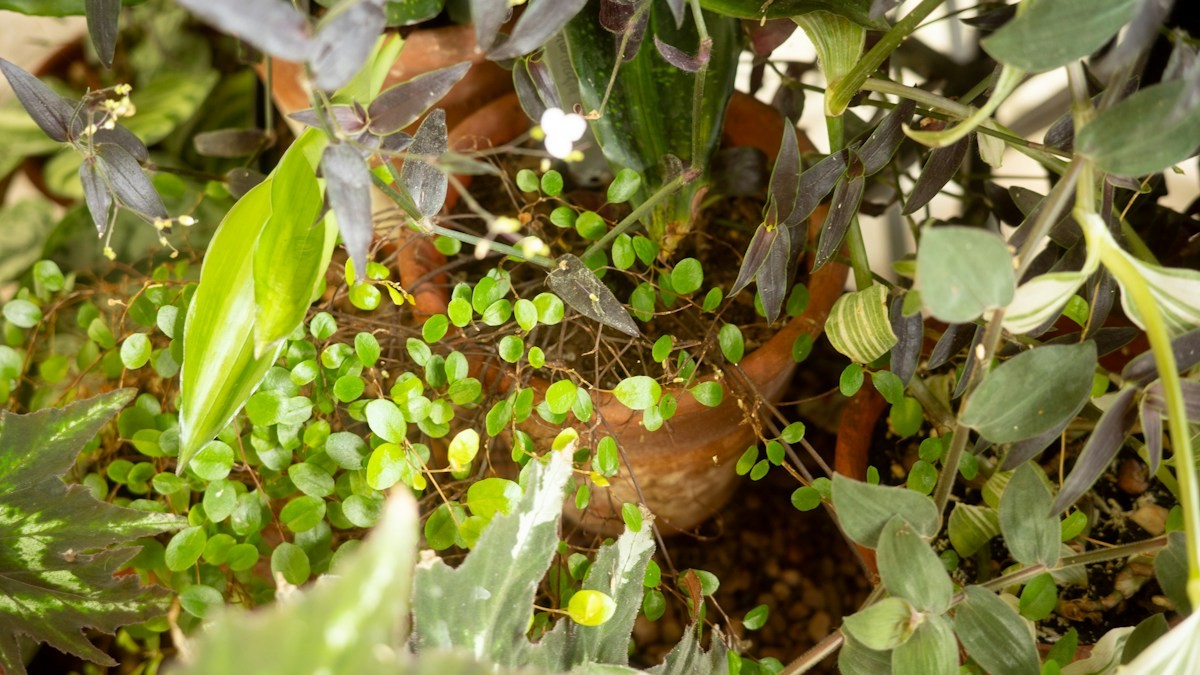
Walk into any big-box nursery or garden center, and you will see dozens of bags labeled ‘All-Purpose Houseplant Potting Soil.’ Eager plant parents buy these commercial soils, repot their prized Monsteras, Philodendrons, and Anthuriums, and water them diligently. Within a few months, the lower leaves turn yellow, the stems become squishy and black, and the plant collapses from catastrophic root rot. The owner assumes they overwatered, but the real culprit is almost always the dense, suffocating soil.
In their native tropical rainforest habitats across Central and South America, aroids are not terrestrial ground-dwellers growing in heavy, compacted garden dirt. Many are hemi-epiphytes or lithophytes that sprout on the jungle floor and climb high into the canopy, anchoring their thick, fleshy roots into decaying tree bark, mossy branches, and leaf litter. Their roots require massive volumes of oxygen and rapid gravitational drainage.
In this definitive horticultural masterclass, you will learn how to blend the perfect chunky, well-draining aroid soil mix. We break down macro-pore physics, hydraulic conductivity, sustainable peat alternatives, microbial inoculants, and the exact volumetric recipe that triggers explosive root development in Monsteras, Philodendrons, and Anthuriums.
Root Anatomy: Why Epiphytic Aroids Suffocate in Dirt
Fleshy aroid roots are specialized respiratory organs designed for oxygen exchange, not swimming in mud.
The Chemistry of Root Hypoxia
Plant roots respire: they consume oxygen and release carbon dioxide. When potted in dense, peat-heavy commercial soil, the microscopic pores between soil particles fill with gravitational water that fails to drain. This creates an anaerobic (hypoxic) environment.
Deprived of oxygen, root cells begin fermentative metabolism, producing toxic ethanol that kills root hairs. Opportunistic anaerobic fungi (such as Pythium and Phytophthora) quickly invade the dying tissue, rapidly rotting the entire root system.
Macro-Pores and Hydraulic Conductivity
A proper aroid substrate requires high hydraulic conductivity: when you pour a gallon of water onto the pot surface, it should surge completely through the soil and exit the drainage holes in less than 30 seconds.
The chunky components create permanent air cavities (macro-pores) that hold atmospheric oxygen even when the bark and coir are fully saturated with moisture.
Component Breakdown and Material Sourcing
Every ingredient in the blend serves a deliberate biological and physical function.
Orchid Bark: The Structural Backbone
Use medium-grade (1/2 to 3/4-inch) New Zealand Pinus radiata bark (such as Orchiata). Radiata bark is aged and stripped of toxic terpenes, resisting rapid decomposition for 3 to 5 years.
Its rough, fibrous surface provides an anchor for climbing aroid roots while holding moisture inside its cellular matrix without waterlogging.
Perlite vs. Pumice: Eliminating the Floating Hazard
Standard fine perlite crushes into chalky dust that compacts soil over time. Upgrade to coarse horticultural grade #3 perlite. Better yet, incorporate volcanic pumice stone.
Pumice is heavier than water, meaning it will never float to the top of your pot during watering like perlite does, and its porous microscopic cavities store trace minerals and beneficial mycorrhizal fungi.
Sustainable Coconut Coir vs. Peat Moss
Commercial potting soils rely on peat moss mined from ancient peat bogs—fragile carbon sinks that take thousands of years to form. Swap peat for washed, pH-buffered coconut coir pith.
Coir is a renewable agricultural byproduct that rewets effortlessly without becoming hydrophobic when dry, maintaining an ideal root pH of 5.8 to 6.5.
The Master Recipe: 5-Step Blending Protocol
Follow this balanced formulation to create an all-star custom substrate.
Volumetric Measuring and Hydration
Measure by volume using a 1-quart plastic bucket: Mix 3 parts fir orchid bark, 2 parts coarse perlite/pumice, 2 parts rehydrated coco coir, 1.5 parts horticultural charcoal, and 1 part pure earthworm castings.
Horticultural charcoal acts as an organic bio-filter, adsorbing toxic tap-water minerals and excess fertilizer salts. Earthworm castings provide gentle, slow-release bio-nutrients packed with beneficial soil bacteria.
The Squeeze Moisture Test
Mix the ingredients thoroughly in a large plastic tub. Grab a tight fistful of the mixed soil and squeeze firmly: water should NOT drip between your fingers, and when you open your palm, the mixture should immediately crumble apart in an airy, loose heap. If it stays clumped in a wet ball, add another part of orchid bark.
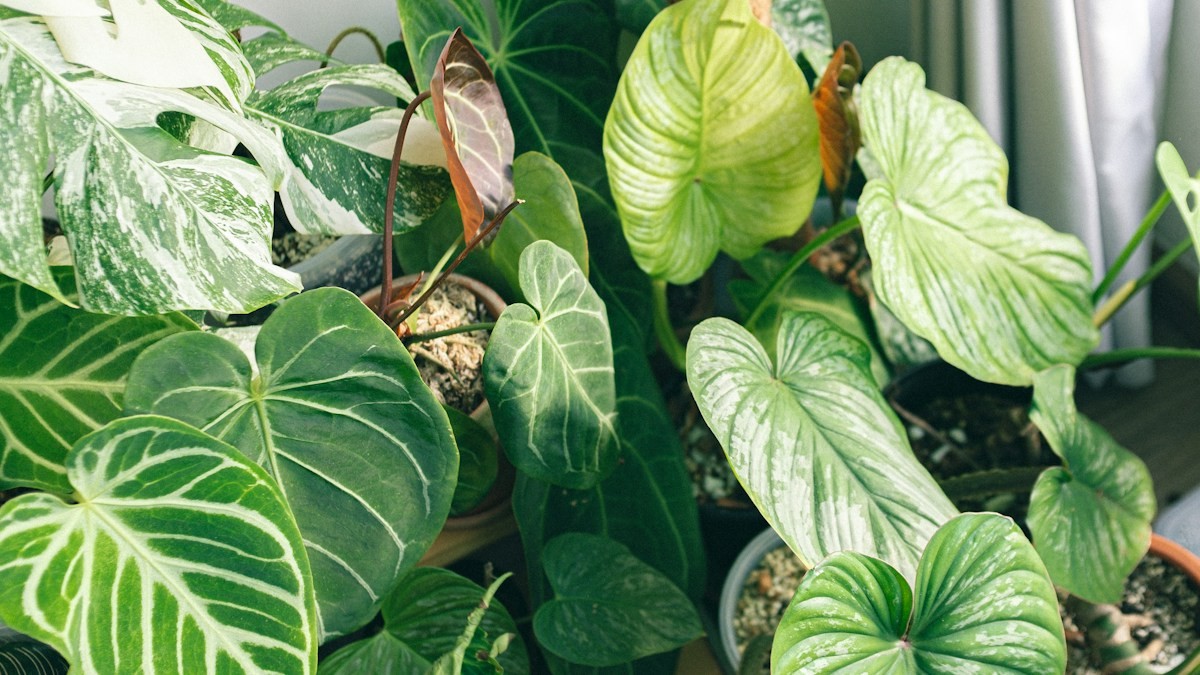
Chunky Aroid Soil Formulation Ratios (Parts by Volume)
| Substrate Component | Particle Size Specification | Volume Ratio (Parts) | Primary Physical / Chemical Function | Sustainable Alternative |
|---|---|---|---|---|
| Fir Orchid Bark (Orchiata) | Medium (1/2 – 3/4 Inch) | 3.0 Parts (30%) | Large macro-pore aeration; mimics tree bark | Coarse coconut husk chips |
| Coarse Horticultural Perlite | Grade #3 or #4 (Chunky) | 2.0 Parts (20%) | Prevents compaction; ensures rapid drainage | Pumice stone (heavier, won’t float) |
| Washed Coconut Coir Pith | Fine rehydrated fiber pith | 2.0 Parts (20%) | Hygroscopic moisture buffering without compaction | FSC-certified peat moss (avoid non-renewable) |
| Horticultural Charcoal | Medium grade (1/4 – 1/2 Inch) | 1.5 Parts (15%) | Adsorbs excess salts; improves aeration | Crushed biochar (activated) |
| Pure Worm Castings | Organic vermicompost | 1.0 Part (10%) | Slow-release microbial bio-nutrients & humic acids | Aged compost / bat guano blend |
| Coarse Horticultural Pumice | 1/4 to 3/8 Inch grains | 0.5 Parts (5%) | Structural ballast; provides trace minerals | Expanded clay pebbles (LECA, crushed) |
Recommended Further Reading & Authoritative References
To deepen your understanding of these systems, review our companion analysis on Water Propagation Guide and Low-Light Indoor Plants. For official technical specifications and industry standards, consult the International Aroid Society Botanical Cultivation & Epiphytic Soil Standards.
Seasonal Acclimation & Preventive Plant Healthcare
Ensuring lasting vitality when cultivating Well-Draining Aroid Soil Mix requires understanding seasonal metabolic shifts and adjusting ambient care routines accordingly. Indoor houseplants modulate their transpiration rates and nutrient uptake in direct response to changing daylight hours and indoor HVAC cycles.
During transitional seasons, carefully calibrate your watering frequency and inspect soil root zones for adequate drainage. Wipe foliage regularly with a damp microfiber cloth to remove domestic dust layers that obstruct photosynthetic stomata and reduce light absorption efficiency.
Establish a bi-weekly preventive inspection habit, examining the undersides of leaves and leaf axils for early signs of opportunistic pests like spider mites or scale. By identifying subtle foliage cues early and providing consistent, gentle care, your indoor greenery will maintain lush, robust growth year-round.
Comprehensive Horticultural Implementation & Long-Term Plant Maintenance Protocols
Maintaining these specialized botanical strategies successfully across multiple growing seasons requires continuous observation, attentive seasonal adaptation, and diligent substrate auditing. Experienced indoor horticulturists recognize that baseline recommendations for watering intervals, light levels, and fertilizer concentrations must be dynamically fine-tuned to suit the distinct microclimatic conditions, relative humidity fluctuations, and seasonal solar angle shifts within each unique domestic living space. By maintaining a disciplined, gentle approach to root zone aeration, pest scouting, and foliage hygiene, you establish an enduring urban indoor ecosystem that fosters robust cellular vigor, lush architectural leaf expansion, and resilient long-term health.
Furthermore, maintaining strict adherence to validated horticultural best practices safeguards tender root systems against the subtle onset of chronic physiological stress, anaerobic root rot, or mineral toxicity. Regularly verifying substrate drainage efficiency, monitoring ambient room humidity levels, and inspecting leaf undersides preserves your botanical collection against common domestic cultivation pitfalls. When you invest the care to understand and respect each plant species’ natural evolutionary biology, you cultivate an indoor botanical sanctuary that delivers years of vibrant visual splendor and restorative natural connection.
Frequently Asked Questions
Can I use this chunky mix for non-aroid houseplants like ferns or palms?
No. Ferns and tropical palms have fine, hair-like root systems that require higher moisture retention and smaller particle sizes. This chunky mix is engineered specifically for epiphytic aroids (Monsteras, Philodendrons, Epipremnums, Anthuriums, Syngoniums).
How often will I need to water plants in this chunky aroid mix?
Because this mix drains so rapidly, you will water slightly more frequently than in dense dirt (typically every 5 to 7 days in summer, and 10 to 14 days in winter). However, you can water deeply without ever worrying about root rot.
Do I need to sterilize homemade soil mix with boiling water or an oven?
High-quality packaged orchid bark, perlite, and washed coir are naturally sterile. You should never bake worm castings, as heat will kill the billions of beneficial soil microbes that protect your plant’s roots from pathogenic disease.
What pot type pairs best with chunky aroid mix?
Clear plastic nursery pots with side drainage slits are ideal. The transparency allows you to inspect root growth and check moisture levels visually without disturbing the root ball.