




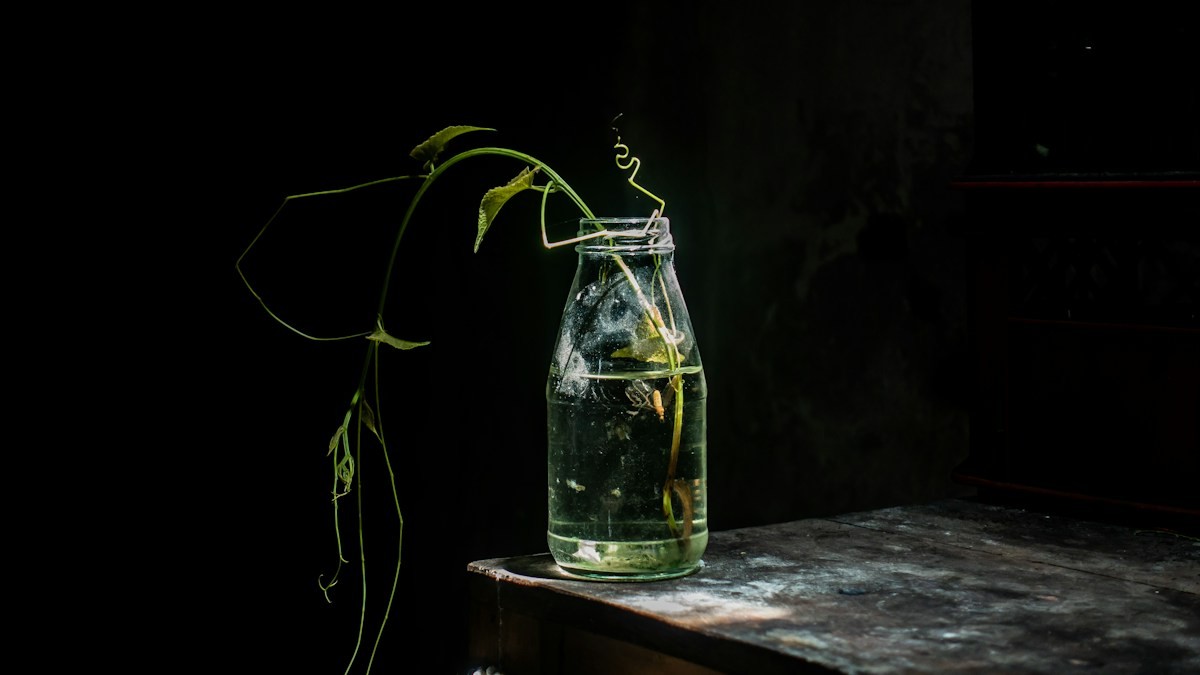
Few houseplants command the architectural elegance, sculptural simplicity, and legendary invulnerability of *Sansevieria* (recently reclassified botanically as *Dracaena*), commonly known as the Snake Plant or Mother-in-Law’s Tongue. Capable of surviving months of neglect in low-light corners, drought, and arid radiator air, these prehistoric-looking succulents are the ultimate tough indoor companions. Naturally, plant enthusiasts are drawn to propagating them, and taking leaf cuttings seems like the simplest propagation experiment in the plant world: slice off a single spear, pop it into a jar of water, and wait for roots to emerge.
Yet for thousands of hobbyists, snake plant propagation results in two confounding outcomes. First, the cut leaf often turns yellow, mushy, and foul-smelling within a fortnight, succumbing to aggressive bacterial rot. Second, for those whose cuttings do successfully root and send up brand-new juvenile baby shoots (‘pups’), a genetic shock awaits: a cutting taken from a prized variegated yellow-bordered cultivar like *Sansevieria trifasciata* ‘Laurentii’ or ‘Golden Hahnii’ produces baby plants that are completely solid dark green, stripped of all yellow variegation.
Successful propagation requires understanding succulent cellular anatomy and plant genetics. This definitive horticultural guide explores sansevieria leaf cutting propagation mechanics. We reveal the inverted V-cut trick that eliminates rot, explain the fascinating periclinal chimera genetics behind color reversion, evaluate water versus pumice rooting media, and provide a foolproof blueprint to clone snake plants with a 100% strike rate.
The Botanical Anatomy of Snake Plant Leaves: Polarity and Callusing
Why leaf polarity is absolute and fresh succulent cuts must cure in air.
The Law of Basipetal Polarity
Plant tissues possess an immutable biological polarity governed by the directional transport of auxins and cellular signaling peptides. In Sansevieria leaves, signals flow strictly from the leaf tip downward toward the rhizome (basipetal transport).
When slicing a 12-inch snake plant leaf into three or four separate 3-inch cuttings, you must scrupulously track which end was pointing toward the base. If you accidentally place a cutting upside down in water or soil (apical end downward), it will never produce roots; the internal cellular polarity prevents adventitious meristems from initiating at the morphological apex.
The 72-Hour Atmospheric Callusing Mandatory Rule
Unlike thin-leaved tropicals that wilt when exposed to air, Sansevieria leaves are thick, succulent water-storage organs packed with moist mucilaginous parenchyma cells. Submerging a freshly cut, wet succulent wound directly into water or damp soil is an invitation for opportunistic soft-rot bacteria (*Pectobacterium carotovorum*).
Every Sansevieria cutting must air-dry on a clean paper towel in a shaded, warm room for a full 48 to 72 hours before touching water or soil. During this curing window, the exposed cells synthesize a tough, corky, waterproof suberin seal—the callus. Once callused, the cutting is virtually immune to bacterial rot.
The Inverted V-Cut: The Surgical Secret of Master Propagators
Why flat cuts fail and inverted notches maximize root emergence.
The Mechanical Trap of Flat Horizontal Cuts
When a cutting is sliced horizontally flat across the bottom, resting it inside a flat-bottomed drinking glass or propagation jar creates a fatal mechanical problem: the entire open vascular surface presses flat against the glass floor.
This physical contact completely blocks fluid exchange and cuts off dissolved oxygen from reaching the healing tissues, creating an anaerobic microzone where anaerobic rot flourishes. Furthermore, roots are forced to emerge sideways, stressing tender new tissues.
The Geometry of the Inverted V-Notch
Instead of a flat cut, use a razor-sharp, sterile utility knife to slice an inverted ‘V’ (an upward chevron notch) into the basal end of each cutting. The center point of the V points upward into the leaf body, creating two descending triangular legs on the left and right sides.
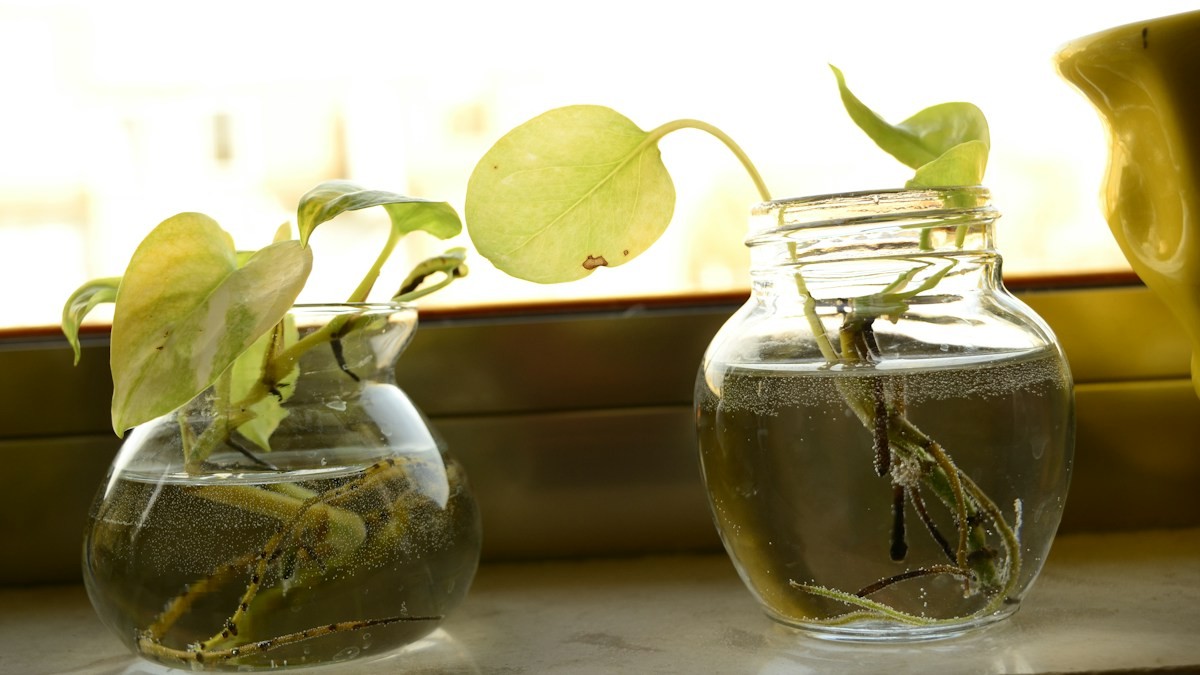
When placed inside a propagation vessel, only the tiny sharp tips of the two triangular legs touch the bottom of the glass. The vast majority of the cut surface area sits elevated one inch above the glass floor in open, oxygenated water, dramatically increasing surface area for adventitious root and rhizome pup bud initiation.
The Genetics of Color Reversion: Periclinal Chimeras Explained
Why yellow-striped snake plants lose their gold borders from leaf cuttings.
L1 and L2 Meristematic Cell Layers
Many gardeners are deeply disappointed when their variegated *Sansevieria Laurentii* cuttings sprout solid-green baby shoots. This is not a failure of care; it is an inescapable law of plant cell genetics. Variegated snake plants are ‘periclinal chimeras’—composite organisms composed of two distinct genetically different cellular layers.
The outer epidermal layer (L1 cell layer) contains a genetic mutation lacking chlorophyll, producing the vivid golden-yellow marginal stripes. The internal core layer (L2 cell layer) contains normal, wild-type green cells capable of full chlorophyll photosynthesis.
Adventitious Bud Regeneration Mechanics
When you propagate a snake plant by whole rhizome division, the entire multi-layered apical meristem remains intact, preserving the golden-yellow chimeric border in all future leaves.
However, when you propagate from a leaf cutting, the plant must form a brand-new adventitious bud from scratch. These new buds differentiate exclusively from internal L2 core cells, completely leaving behind the mutated L1 epidermal layer. As a result, 100% of leaf-cutting progeny revert to the ancestral wild form (*Sansevieria trifasciata* with silver-green horizontal bands and no yellow margins).
Sansevieria Propagation Methods: Leaf Cuttings vs Rhizome Division
| Propagation Parameter | Leaf Cutting in Water / Pumice | Rhizome Crown Division |
|---|---|---|
| Variegation Preservation | 0% (Reverts to solid green wild type) | 100% (Maintains yellow borders & stripes) |
| Propagation Multiplier | High (Can create 10-15 cuts per leaf) | Low (Limited to 1-3 natural pups) |
| Time to Established Plant | Slow (3 to 6 months for rooted pups) | Fast (Immediate established root system) |
| Risk of Bacterial Rot | Moderate (Requires 72h air callus) | Extremely Low (Intact vascular roots) |
| Required Equipment | Sterile knife, glass vessel, warm spot | Pruning shears, chunky potting soil, pot |
Recommended Further Reading & Authoritative References
To deepen your practical mastery of these concepts, explore our comprehensive analyses on understanding suberin callusing and rot prevention and watering succulent sansevierias with bottom irrigation. For official technical standards, peer-reviewed benchmarks, and industry guidelines, consult the Clemson University Cooperative Extension: Sansevieria Culture and Care.
Advanced Implementation Strategies and Field Best Practices for Sansevieria Leaf Cutting Propagation
When implementing these methods in real-world scenarios, consistency and continuous observation serve as the primary determinants of long-term success. Experienced practitioners recognize that theoretical frameworks must be adjusted to account for subtle environmental variables, microclimate fluctuations, and individual behavioral variations. Establishing a disciplined monitoring log allows you to identify subtle trend shifts early, long before minor discrepancies escalate into systemic issues.
Furthermore, avoiding common beginner pitfalls requires a firm adherence to validated core principles rather than adopting transient shortcuts or unverified commercial gimmicks. Integrating periodic structural audits—whether assessing substrate integrity, water chemistry equilibrium, physical mechanical wear, or nutritional bioavailability—guarantees that every safeguard remains fully operational. By prioritizing holistic wellbeing and systematic execution, you establish an environment of enduring stability, resilience, and superior measurable outcomes.
Frequently Asked Questions
How long does it take for a Sansevieria leaf cutting to grow roots in water?
Sansevieria propagation requires patience. In a warm room (72°F to 78°F) with bright indirect light, white roots typically emerge in 4 to 6 weeks. New underground rhizome pups emerge at the base around weeks 8 to 12.
Can I propagate snake plant leaf cuttings directly in soil instead of water?
Yes! Soil propagation in a 50/50 mix of perlite and succulent potting soil works wonderfully. Ensure the cuttings are air-callused for 72 hours first, and water very sparingly until roots anchor the cutting in place.
What should I do if the bottom of my leaf cutting turns brown and slimy?
Remove the cutting immediately. Slice away all discolored and soft tissue with a sterile blade until only crisp, healthy green tissue remains. Re-slice an inverted V notch, let it air-callus for 72 hours, and restart in clean water.
Do Sansevieria leaf cuttings need rooting hormone powder?
Rooting hormone (IBA/auxin) is not mandatory, but dusting a light layer of synthetic rooting powder onto the freshly cut inverted V before callusing can speed up root emergence by 10 to 14 days.