




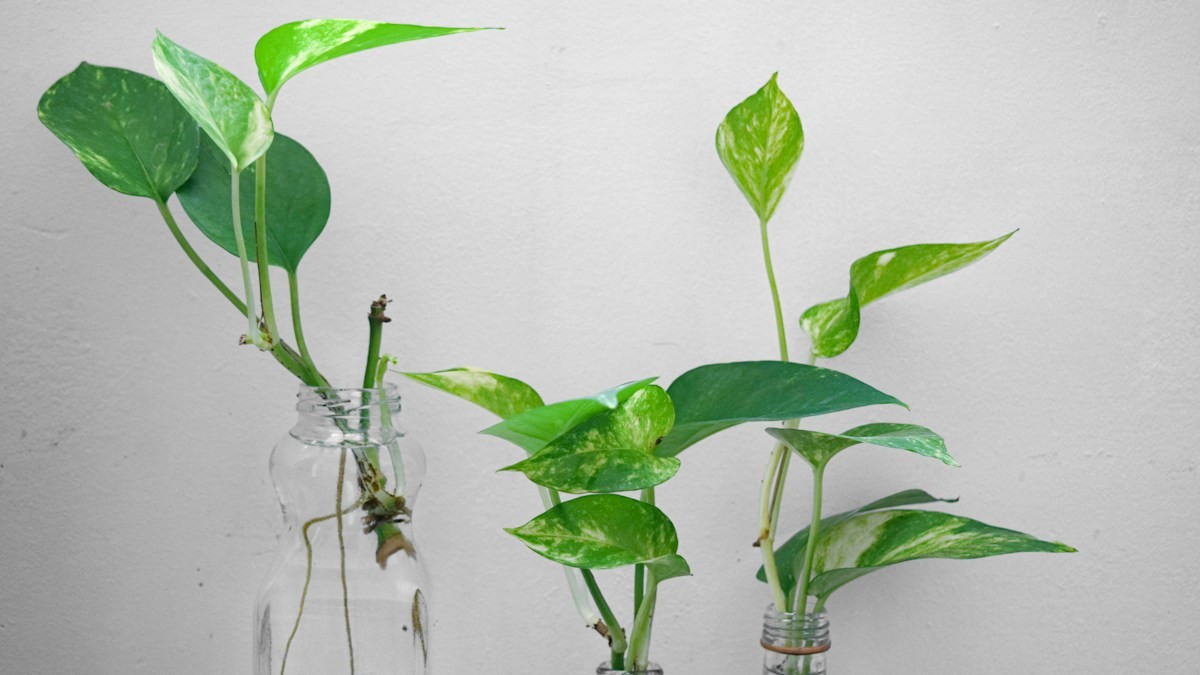
For generations of gardeners and houseplant hobbyists, propagating cuttings has been accompanied by a rich folklore of homemade remedies and kitchen hacks. Scroll through plant forums, social media channels, or vintage gardening books, and you will encounter passionate advocates claiming that dipping stem cuttings in ground cinnamon, raw honey, apple cider vinegar, or crushed aspirin produces miraculous root explosions within days. Others insist that only commercial synthetic rooting powders containing IBA work reliably.
Yet, in plant physiology and botanical biochemistry, root initiation is not governed by magic kitchen ingredients; it is driven by precise hormonal signaling pathways. Differentiating between true rooting promoters (auxin stimulants), protective antimicrobials (antifungals), and urban gardening myths is essential for every indoor gardener who wants to maximize propagation success.
In this rigorous botanical exposé, we test and analyze commercial rooting hormone, Ceylon cinnamon, and homemade willow water against rigorous plant physiology standards. You will discover the hormonal mechanics of Indole-3-Butyric Acid (IBA), the antifungal chemistry of cinnamaldehyde, how to brew real willow bark tea, and which booster delivers the highest strike rates for tropical cuttings.
Synthetic Rooting Hormones: The Auxin Gold Standard
Commercial rooting powders are grounded in a century of Nobel-caliber plant physiology research.
The Chemistry of Indole-3-Butyric Acid (IBA)
Plant stem cells require a specific class of phytohormones called auxins to stimulate root cell differentiation. Natural auxin (Indole-3-Acetic Acid, IAA) is synthesized in apical leaf tips and transported downward through the stem.
Commercial rooting hormones (such as Clonex gel or Bontone powder) utilize synthetic auxins: Indole-3-Butyric Acid (IBA) and 1-Naphthaleneacetic Acid (NAA). When applied to a fresh stem cut, IBA floods meristematic cells, triggering rapid dedifferentiation of stem cells into adventitious root primordia within 7 to 10 days.
Powder vs. Gel Formulations
Hormone powders use pharmaceutical-grade talc as a carrier, which can wash off easily in water jars. Hormone gels utilize an alcohol-free cellulose matrix that clings tightly to the cut stem, sealing the wound from airborne fungal spores while delivering a sustained release of IBA directly into vascular cambium tissue.
Ceylon Cinnamon: The Antifungal Protectant Myth
Cinnamon is a potent natural fungicide, but it does NOT contain rooting hormones.
Cinnamaldehyde and Microbial Defense
True Ceylon cinnamon (Cinnamomum verum) contains high concentrations of cinnamaldehyde—a powerful organic compound with proven broad-spectrum antifungal and antibacterial properties. Dusting a severed stem cut with cinnamon powder prevents opportunistic damping-off fungi from colonizing the moist wound.
However, controlled botanical trials prove that cinnamon contains ZERO auxins or rooting hormones. Cinnamon does not stimulate root growth; it simply acts as a biological shield, keeping the cut sterile while the plant’s own endogenous auxins initiate roots naturally.
Desiccation Risk on Tender Cuttings
Applying heavy coatings of cinnamon powder to tender green herbaceous cuttings (like Begonias or African Violets) can dehydrate cut tissue, forming an impenetrable dry crust that actually inhibits root emergence. Use cinnamon as a light cosmetic dust on thick woody stems or severed cactus pads only.
Willow Water: Nature’s Organic Auxin Cocktail
How brewing young willow tree twigs creates a potent, natural rooting stimulant.
The Dual Chemistry of Salix Species
Weeping willows (Salix babylonica) and black willows grow with astonishing vigor; snap a willow branch and stick it in mud, and it roots within days. Willows produce massive concentrations of two key biochemicals in their fast-growing spring shoot tips: natural Indole-3-Acetic Acid (auxin) and Salicylic Acid (SA).
Salicylic acid is the plant’s natural immune hormone (the natural compound from which aspirin is derived). When applied to cuttings, SA triggers Systemic Acquired Resistance (SAR), fortifying the cutting against pathogens, while willow auxins trigger vigorous root initiation.
How to Brew Authentic Willow Water Tea
Harvest a handful of young, flexible green pencil-thin willow twigs in spring. Strip the leaves, chop the twigs into 1-inch pieces, place them in a glass jar, and pour boiling water over them like tea.
Let the mixture steep for 24 to 48 hours until the liquid turns pale amber. Strain out the twigs. Soak your plant cuttings in this nutrient-rich willow tea for 12 hours before planting in soil, or use it as your base water in propagation jars.
Propagation Booster Performance Comparison Matrix
| Booster Substance | Active Chemical Agent | Primary Mode of Action | Success Rate in Cuttings | Ideal Propagation Medium |
|---|---|---|---|---|
| Commercial Rooting Powder / Gel | Indole-3-Butyric Acid (IBA 0.1% – 0.3%) | Synthetic auxin triggers adventitious root meristems | 90% – 95% (Fastest root initiation) | Coarse perlite, sphagnum moss, soil mix |
| Natural Willow Water Tea | Salicylic Acid + Indole-3-Acetic Acid (IAA) | Plant hormone stimulation + systemic defense activation | 80% – 85% (Exceptional root health) | Water jars, semi-hydro, perlite |
| Ground Ceylon Cinnamon | Cinnamaldehyde (Essential oil compound) | Broad-spectrum antifungal; zero rooting hormone | Prevents rot; zero growth stimulation | Dusting cut stems before callous drying |
| Raw Unfiltered Honey | Hydrogen peroxide enzyme + sugars | Mild antibacterial; provides simple carbohydrates | 60% – 65% (Can attract fungus if excessive) | Soil and potting cuttings |
| Apple Cider Vinegar (Dilute) | Acetic acid (1 tsp per gallon) | Mild trace minerals (Can burn if concentrated) | 50% (High risk of chemical acid burn) | Not recommended for tender tropicals |
Recommended Further Reading & Authoritative References
To deepen your understanding of these systems, review our companion analysis on Water Propagation Guide and Repotting Rootbound Tropicals. For official technical specifications and industry standards, consult the Royal Horticultural Society Plant Hormones & Propagation Chemistry.
Seasonal Acclimation & Preventive Plant Healthcare
Ensuring lasting vitality when cultivating Natural Propagation Boosters Tested requires understanding seasonal metabolic shifts and adjusting ambient care routines accordingly. Indoor houseplants modulate their transpiration rates and nutrient uptake in direct response to changing daylight hours and indoor HVAC cycles.
During transitional seasons, carefully calibrate your watering frequency and inspect soil root zones for adequate drainage. Wipe foliage regularly with a damp microfiber cloth to remove domestic dust layers that obstruct photosynthetic stomata and reduce light absorption efficiency.
Establish a bi-weekly preventive inspection habit, examining the undersides of leaves and leaf axils for early signs of opportunistic pests like spider mites or scale. By identifying subtle foliage cues early and providing consistent, gentle care, your indoor greenery will maintain lush, robust growth year-round.
Comprehensive Horticultural Implementation & Long-Term Plant Maintenance Protocols
Maintaining these specialized botanical strategies successfully across multiple growing seasons requires continuous observation, attentive seasonal adaptation, and diligent substrate auditing. Experienced indoor horticulturists recognize that baseline recommendations for watering intervals, light levels, and fertilizer concentrations must be dynamically fine-tuned to suit the distinct microclimatic conditions, relative humidity fluctuations, and seasonal solar angle shifts within each unique domestic living space. By maintaining a disciplined, gentle approach to root zone aeration, pest scouting, and foliage hygiene, you establish an enduring urban indoor ecosystem that fosters robust cellular vigor, lush architectural leaf expansion, and resilient long-term health.
Furthermore, maintaining strict adherence to validated horticultural best practices safeguards tender root systems against the subtle onset of chronic physiological stress, anaerobic root rot, or mineral toxicity. Regularly verifying substrate drainage efficiency, monitoring ambient room humidity levels, and inspecting leaf undersides preserves your botanical collection against common domestic cultivation pitfalls. When you invest the care to understand and respect each plant species’ natural evolutionary biology, you cultivate an indoor botanical sanctuary that delivers years of vibrant visual splendor and restorative natural connection.
Frequently Asked Questions
Can I use commercial rooting hormone in a water propagation jar?
Rooting powders and gels are formulated for solid substrates (perlite, sphagnum moss, coco coir). In water jars, the hormone washes off, clouds the water, and can encourage bacterial blooms. In water propagation, let endogenous hormones work naturally or use willow water tea.
Does crushed aspirin work the same as willow water?
Aspirin is acetylsalicylic acid—a synthetic derivative. While a tiny pinch (one-quarter of an uncoated 325mg tablet dissolved in a gallon of water) can trigger mild systemic resistance, it contains ZERO auxins. It protects against disease but will not actively stimulate root initiation like willow tea does.
What is the best booster for rooting difficult woody cuttings like Ficus or Rubber Trees?
For semi-woody stems, a commercial 0.2% IBA rooting gel (like Clonex) paired with coarse moist perlite on a seedling heat mat (75°F / 24°C) delivers a 95%+ success rate.
Can I store homemade willow water for future use?
Yes! Store strained willow water in a sealed glass mason jar in your refrigerator for up to 2 months. You can also freeze it into ice cubes and thaw as needed for propagation sessions.